Start the conversation. Change the culture.

Bring Change to Mind (BC2M) Clubs are youth-led spaces for students in grades 6–12 to talk openly about mental health, support peers, and connect friends to trusted resources. Join thousands of students across the country in a movement to ensure nobody struggles alone.
Backed by Science. Built for Your School.

This isn’t just a safe space. It’s a research-backed program that fits within schools’ Multi-Tiered System of Supports (MTSS).
Every BC2M Club looks a little different, but they all do a few things really well:

  • Set their own goals and vision for the year

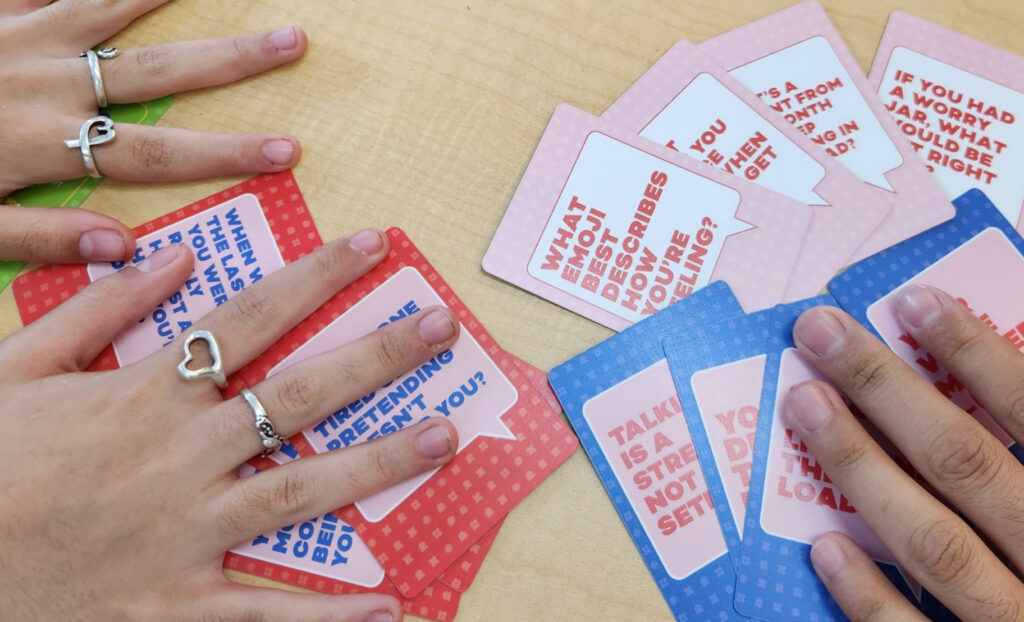
  • Meet regularly to learn about mental health, have meaningful conversations, and participate in fun activities

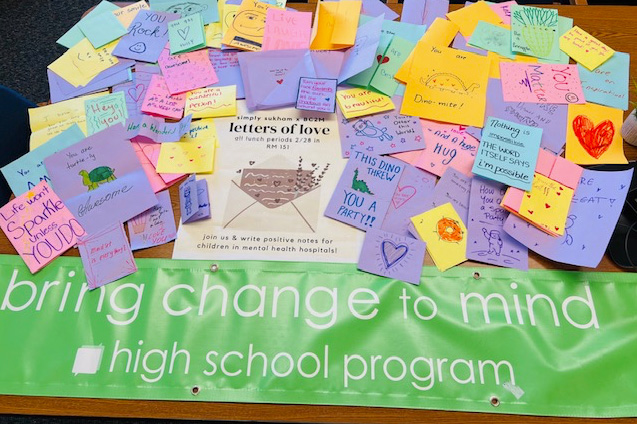
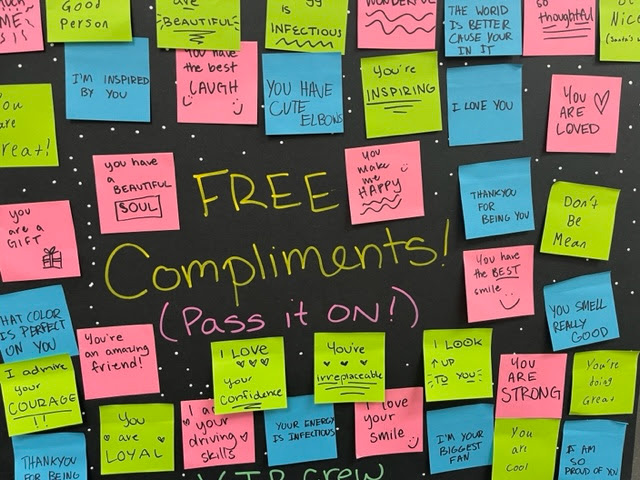
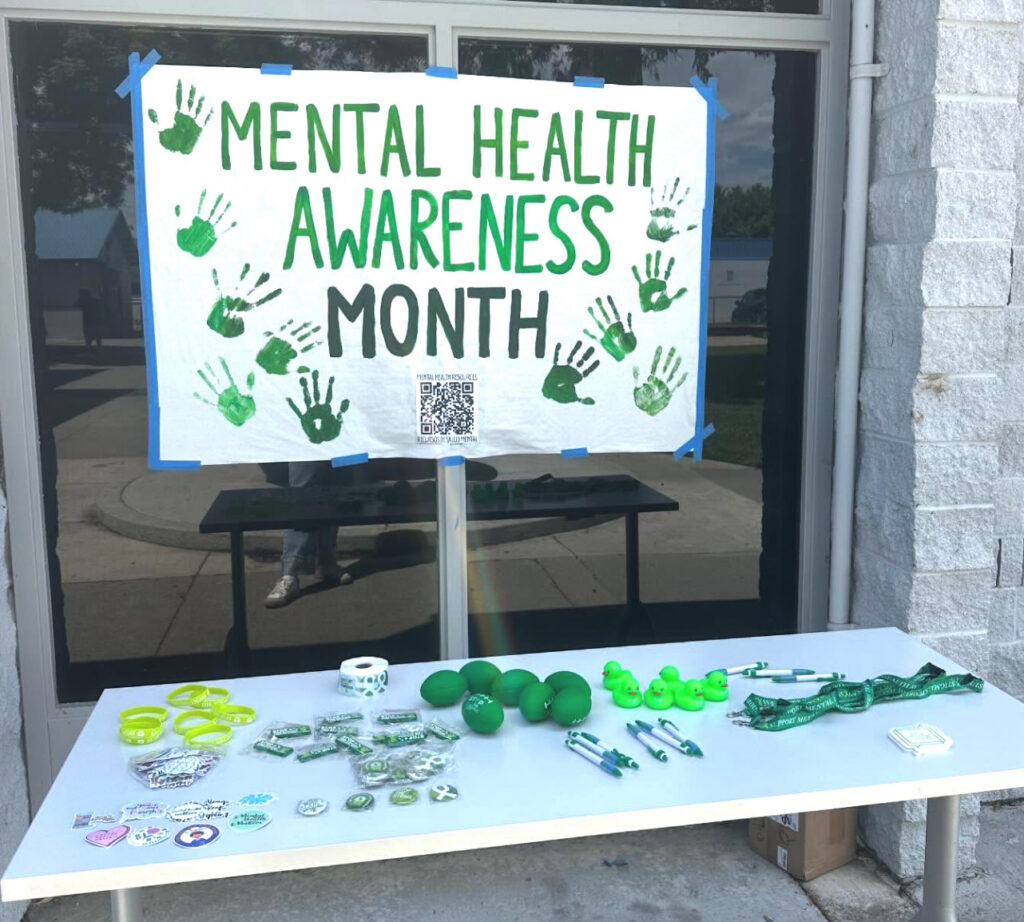
  • Run schoolwide activations and events that get the whole campus talking

  • Recruit a diverse group of members, so more voices are in the room

  • Learn the fun way: building skills, empathy, and the confidence to support a friend
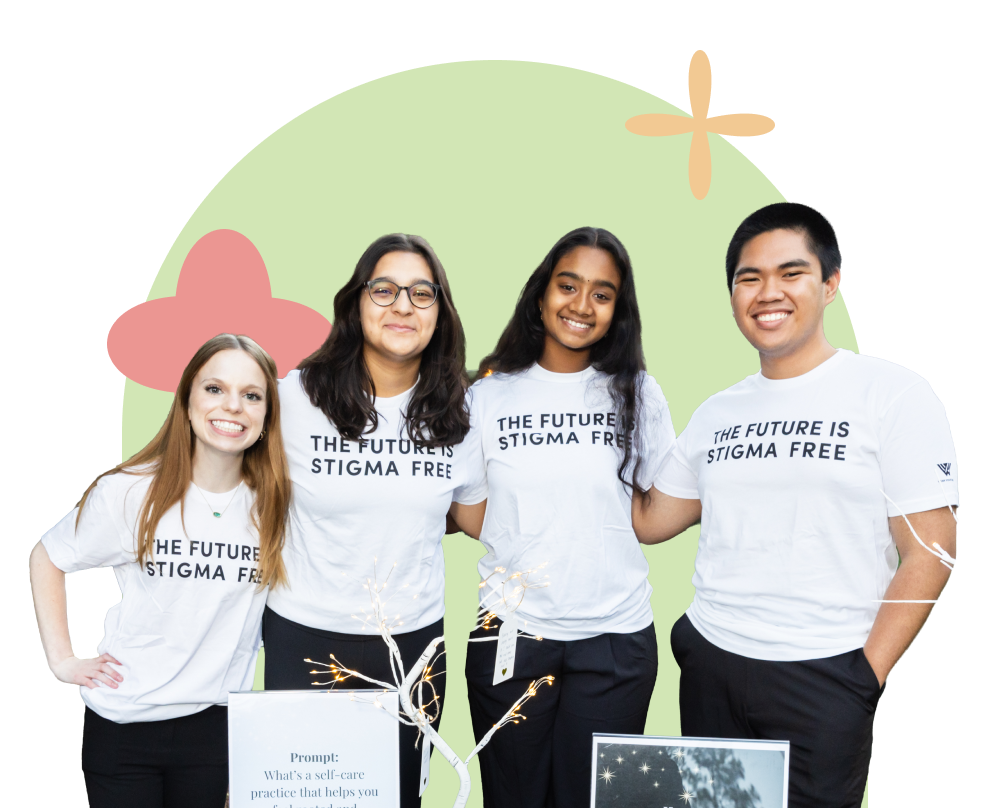
Bring BC2M to Middle Schools

BC2M Clubs are now available nationally for students in grades 6–12. Starting earlier helps students build shared language, empathy, and confidence before high school, and lays the groundwork for a stronger pathway into their high school’s BC2M community.

Every BC2M Club Gets:

Dedicated support from BC2M staff
A $500 annual club grant
Full access to the guided Portal
In-person leadership opportunities (both in select regions)
50+ ready-to-use educational presentations
80+ activity and school-wide event guides
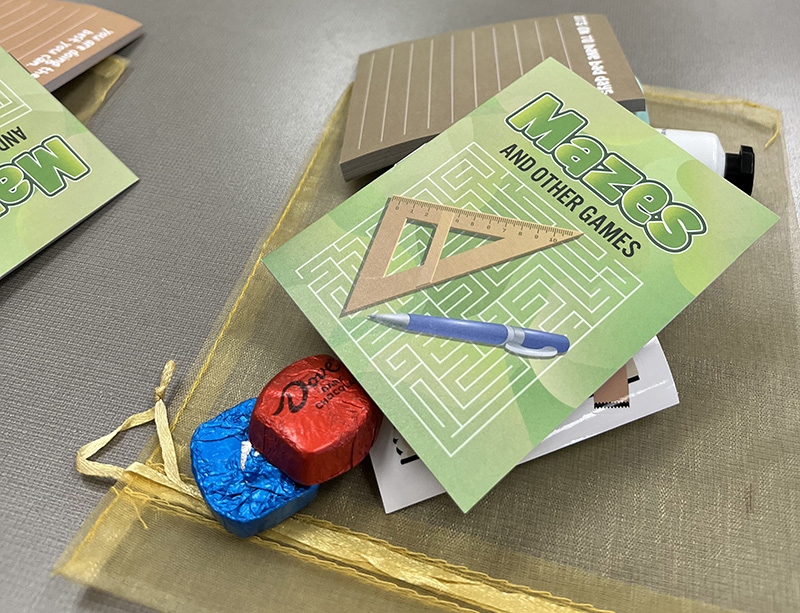
Club merch to build campus visibility

Who Can Start A Club?

Any middle or high school in the U.S., including virtual and vocational schools, can start a club, and it can be initiated by students, faculty, counselors, or administrators, as well as school districts, charter networks, or Departments of Education.

The Students Speak For Themselves. And So Do The Results.

BC2M surveys students and faculty advisors annually to track stigma reduction, help-seeking behavior, and school climate.

use coping
skills when
struggling

can support
a struggling
friend

report better mental health

know where to find mental health resources

notice school-wide stigma reduction

Across the country.
In communities of every kind. 
Students are leading change.

BC2M Clubs thrive across every kind of school community—urban, suburban, and rural—and our Equitable Opportunity Schools framework ensures the most under-resourced schools get priority access to funding, staff support, and programming.

2025–26 By The Numbers:

schools across
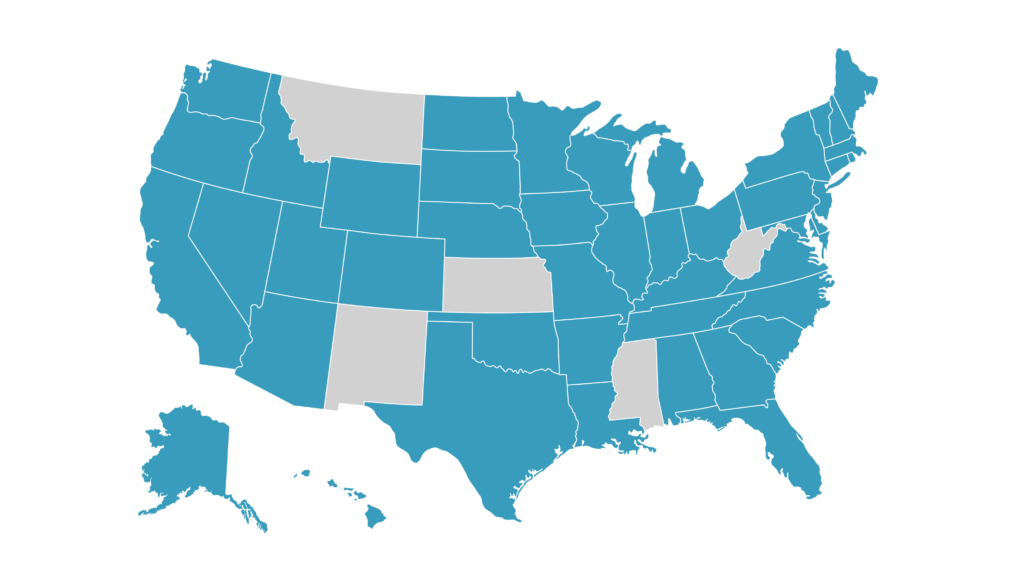
42 states

active students
members

peers reached
annualy
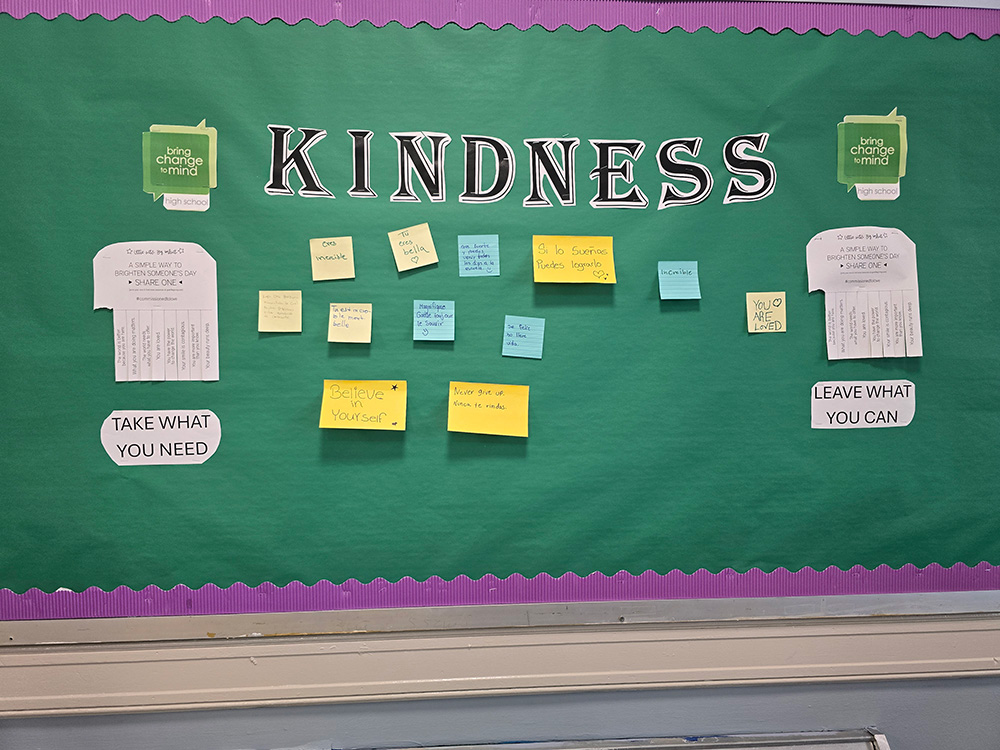
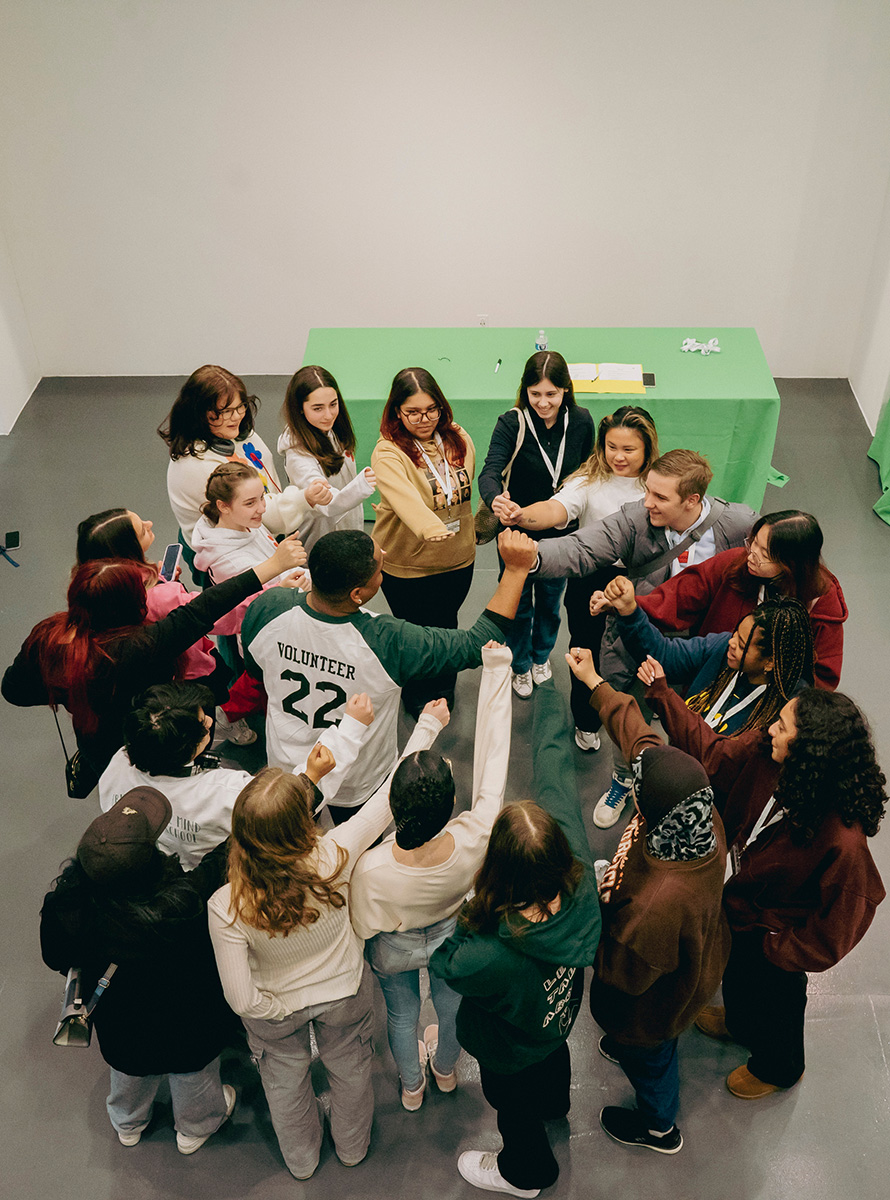
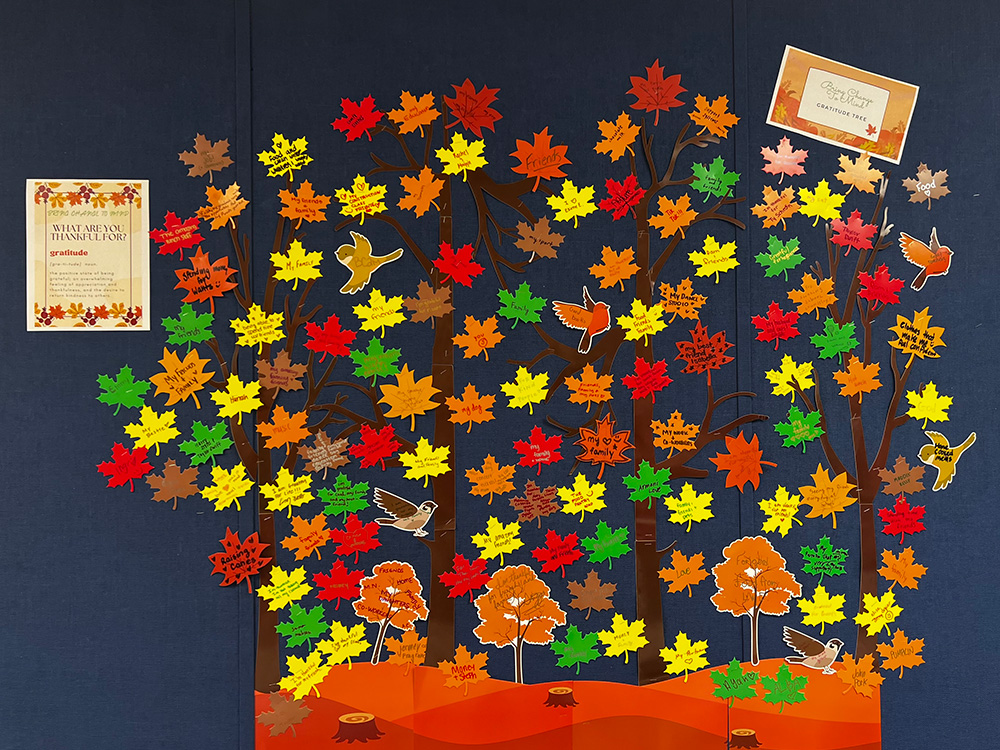
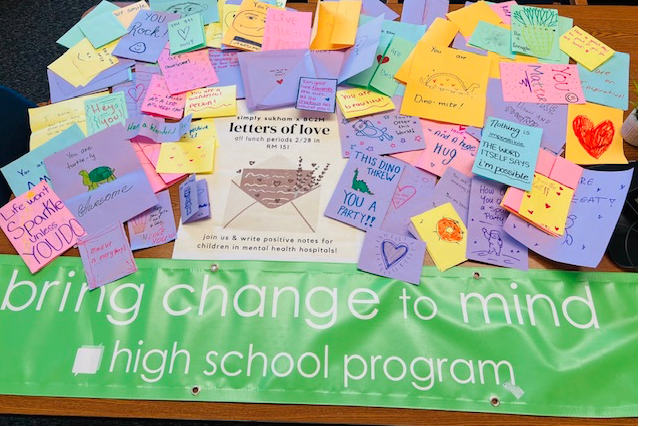
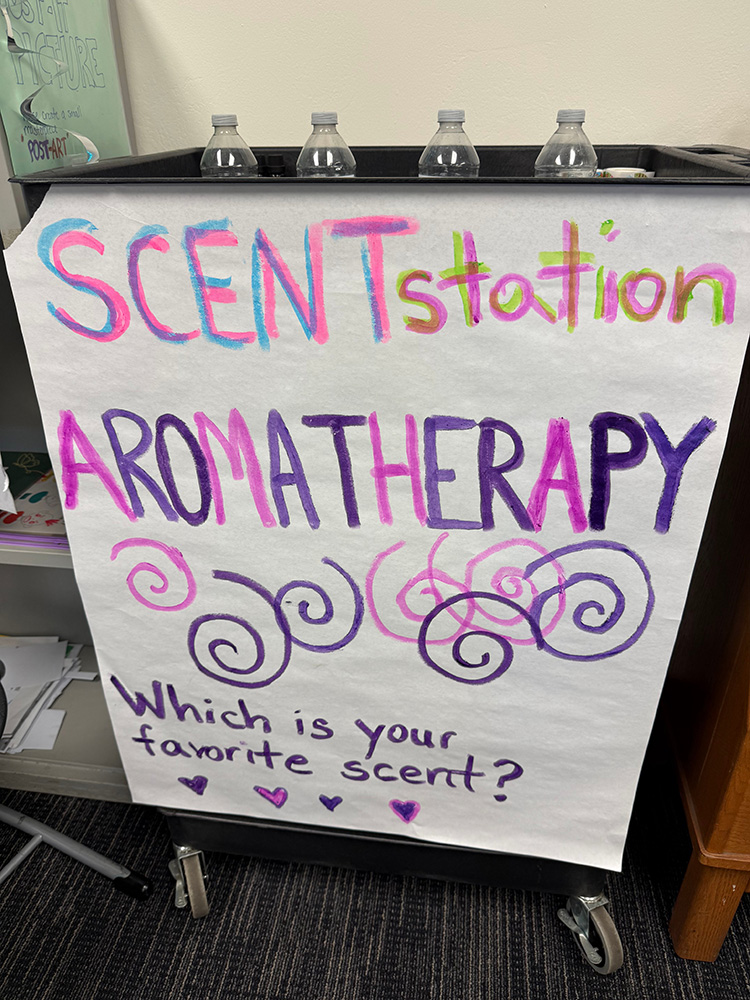
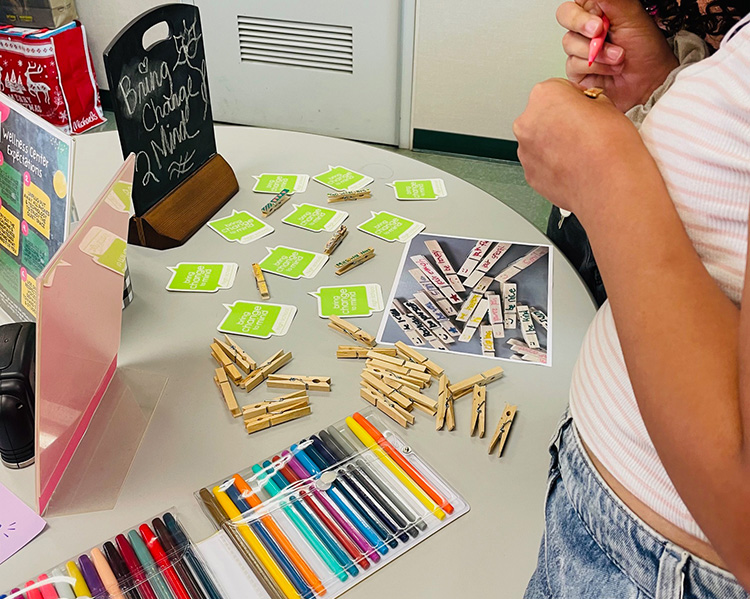
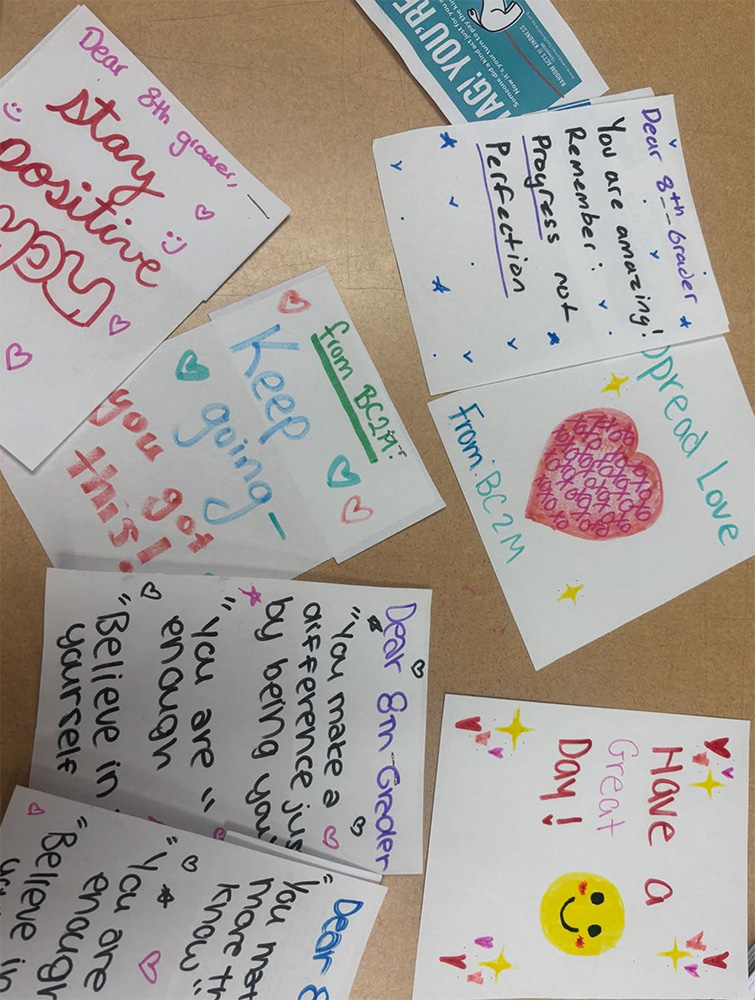
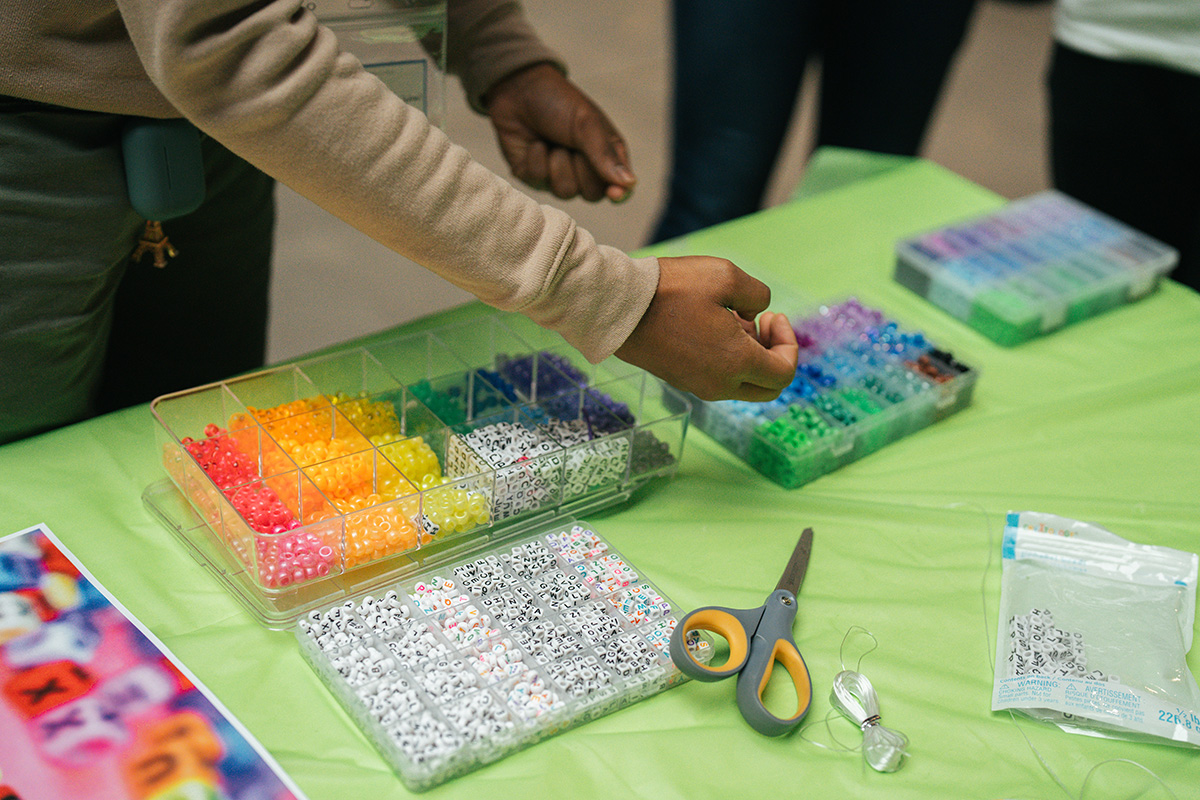
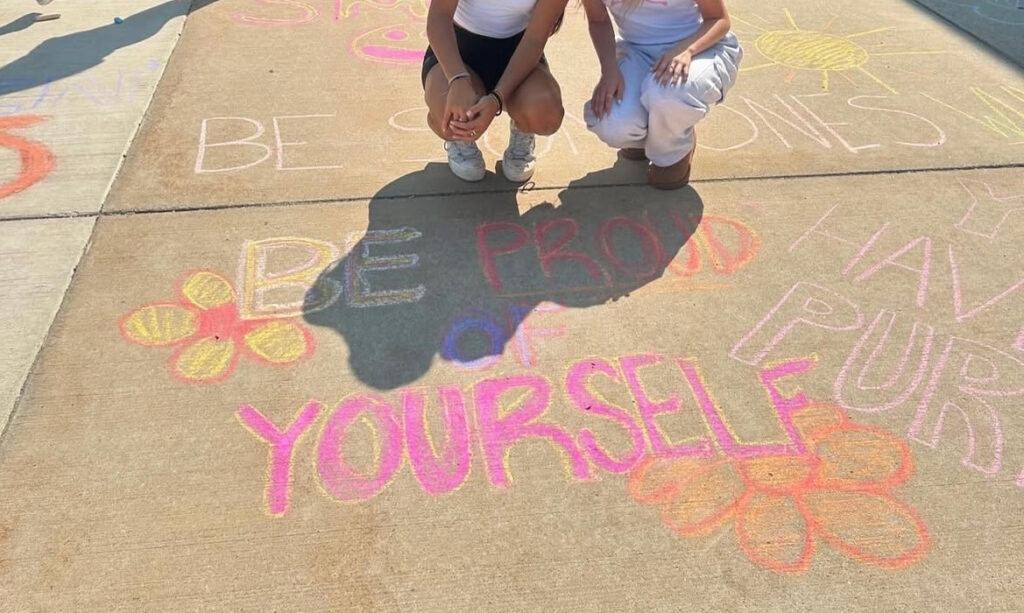
Clubs in Action
Ready to Bring Change to Your School?

There’s no perfect time to start. Just a first step. Take it today.

Have more questions?

If you’re not quite ready to submit an interest form, you can schedule a discovery call or send an email to our Program Team, and an actual human will get back to you soon.
Frequently Asked Questions

Any student, faculty member, counselor, or administrator at a U.S. middle or high school, including virtual schools. (Parents are encouraged to work with their kids’ schools to start a club, too!) Elementary schools, colleges, and homeschool programs generally aren’t eligible unless there’s a qualifying school association.

No funding is ever required to start. Once your club is active, you’re eligible for a $500 annual grant to support your activities.

Yes! BC2M Clubs are active in schools across 42 states and in 600 schools. You can see where other clubs are located on our map.

Standards-Aligned: Our flexible, peer-led curriculum ties directly to National Health Education Standards (NHES), ASCA Mindsets & Behaviors, and the CDC’s WSCC model.

Built for Every Student: Using the Universal Design for Learning (UDL) framework, we make sure our program works for diverse learning styles and English learners through videos, hands-on activities, and group discussions.

Measurable Impact: This is more than talking. It’s building real skills. A randomized controlled trial by UC Berkeley and UCSF proved that active club participation triggers a 30% average improvement in students’ knowledge of mental illness and actions to combat stigma.

Safety First: Overseen by our Scientific Advisory Board, our program is strictly trauma-informed, ensuring a safe, strengths-based environment for every student.

Middle School advisors guide students through meetings and topics, lead presentations, and facilitate activities while helping their students develop their own leadership skills (like letting them choose topics and activities or supporting them in planning activities and practicing presentation skills). 

High School advisors are a little less hands-on. They push the clubs to be student-led as much as possible, stepping in for logistical needs like working with administration, planning events, and being in the room in case of an emergency.

There are a few ways parents can help bring a BC2M club to their child’s school:

  1. Share the info with your child and let them lead the process
  2. Share the information with the administration at your child’s school to get things started
  3. Reach out directly to our team, who can help answer questions or give you pointers on the two options above

No, BC2M Clubs are not a form of counseling, therapy, peer support, or direct services. The schools we work with like to refer to us as Behavior Intervention: a universal, proactive support designed for all students.

Middle School clubs are a great opportunity for kids to build foundational knowledge about mental health, practice their leadership skills, and begin growing into strong advocates for ending the stigma around mental health.

Students are actively building social-emotional and health literacy skills. By aligning with National Health Education Standards, our clubs empower youth to advocate for themselves within their community. They practice using communication skills to have productive conversations and reduce stigma, and learn how to use extracurriculars as a healthy coping skill.

Seamlessly. BC2M acts as a universal Tier 1 MTSS support, promoting mental health education and emotional wisdom for the entire school population. We also help schools meet ESSA (Title IV, A) goals by fostering a safe and healthy school climate. Furthermore, our clubs actively support the CDC’s WSCC model by creating a safe, judgment-free space for students at school.

Yes! We use the Universal Design for Learning (UDL) framework, meaning we offer multimodal engagement—like videos, hands-on activities, and collaborative discussions—to support various learning styles and English learners. Because clubs are flexible and peer-led, faculty advisors can easily tailor portal content to fit their students’ unique cognitive, developmental, and sensory needs.